A small gesture, a big question
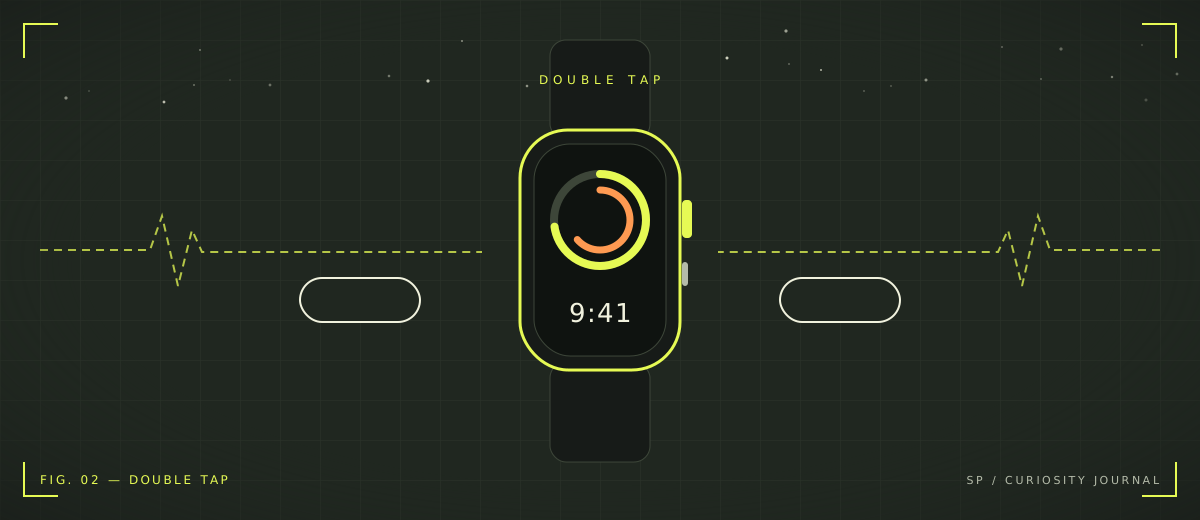
Tap your thumb and index finger together twice, and a compatible Apple Watch can respond. The part I find fascinating is that the fingers do not need to touch the display. So where is the signal coming from?
Your wrist gives the game away
Apple’s explanation of the Series 9 implementation combines readings from the accelerometer, gyroscope, and optical heart sensor. A machine-learning algorithm recognizes a pattern of tiny wrist movements and blood-flow changes associated with the double tap. The Neural Engine processes the signals. It is a combination of sensing and inference, rather than a hidden button in your fingertips. Source: Apple’s explanation of double tap.
The real challenge is deciding when it counts
From a product perspective, recognizing a gesture once is only the beginning. The more interesting design question is how to make an intentional gesture easy while avoiding accidental commands during ordinary movement. It’s the difference between a clever demo and an interaction people trust.
Why I keep coming back to it
This is exactly the kind of technology I like learning about: a useful interaction emerging from hardware, software, and knowledge of human behavior. The visible action takes a moment. The engineering that makes it feel obvious is doing much more work.
Sometimes the best new interface is a better interpretation of signals you already have.
Something here sparked another question?
Let’s talk about it